One of the fastest-growing sectors of cruising in recent years has been "expedition cruising," a type of cruising that involves traveling on specialized vessels to remote, hard-to-reach places like Antarctica.
This is a type of cruising so different from what the big mass-market lines offer that it might as well be considered an entirely different form of travel.
With traditional cruising, the experience often revolves heavily around shipboard activities, dining, drinking and entertainment. Yes, a traditional cruise is partly about getting you to (mostly mainstream) destinations for brief visits. But at its core, it's a resort experience.
An expedition cruise, by contrast, isn't designed to be a resort experience. It's a cruise that is all about getting you to an off-the-beaten-path place that, in many cases, has little or no land-based infrastructure and can only be reached by ship. You are "cruising" in the sense that you are traveling by ship, but the trip isn't about the ship. It's about where the ship can get you.
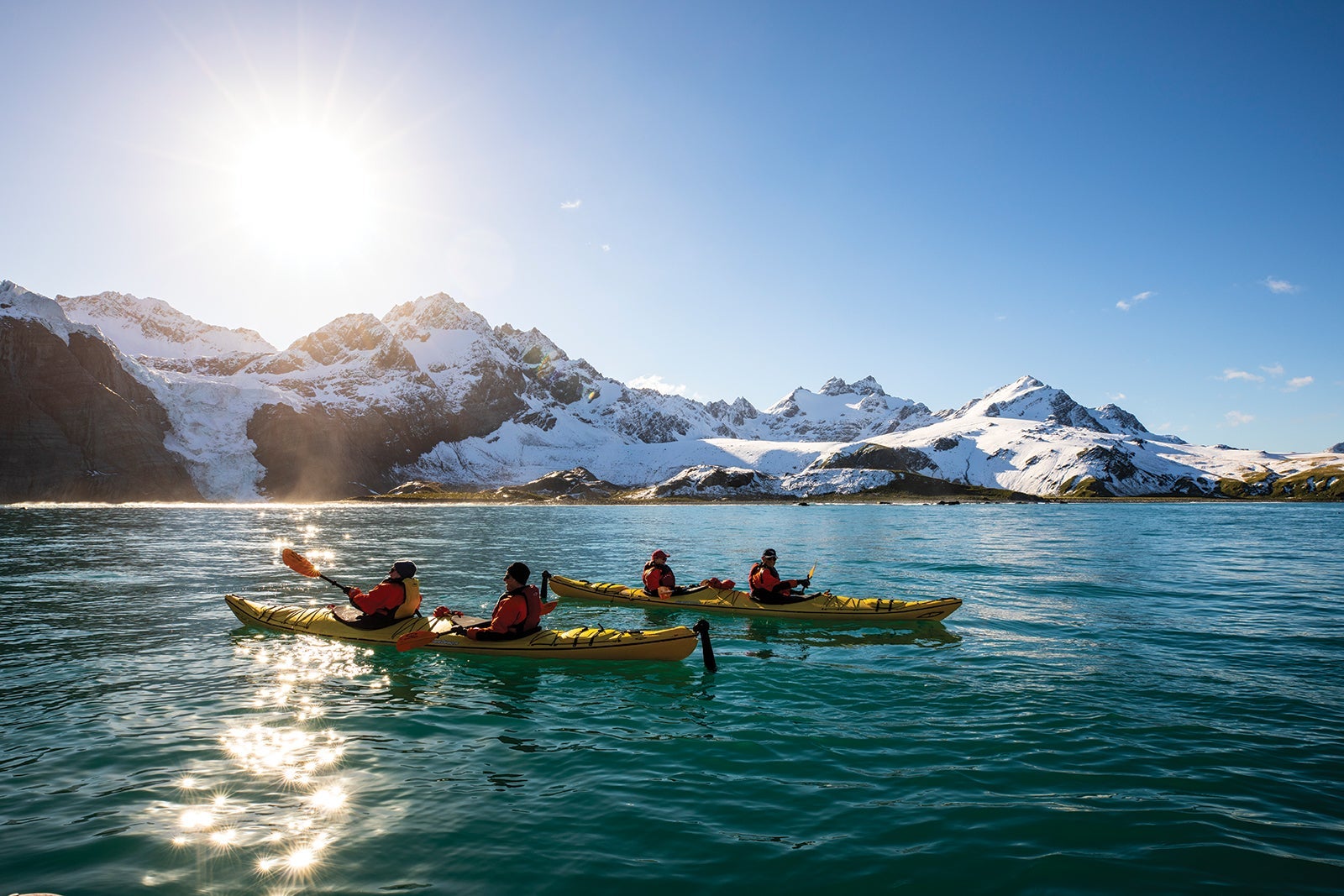
As I've been lucky enough to experience many times over nearly three decades of writing about cruising, expedition cruises can get you to some of the least visited and most wondrous places in the world. This includes parts of the Arctic and Antarctica that had never been seen by humans as recently as a century ago.
Here is a guide to everything you need to know about expedition cruises.
What is an expedition cruise?
Expedition cruises are ship-based trips designed to get you to remote and hard-to-reach places that most people never get to see.
These ships go to places so far off the beaten path, such as Antarctica, that the journey itself is a bit of an adventure. What adds to the adventure is that, in some cases, you don't know what you're going to do each day once you reach your destination. Your expedition leader will make the call depending on the movement of wildlife, changing ice conditions (if you're in a polar region), and the waves and the weather around possible landing sites.
For instance, should whales pop up off your bow on an expedition cruise to Antarctica, your expedition leader might decide to scrap the morning plan of landing near a penguin colony in favor of whale watching. Then, they'll instead bring you to visit penguins in the afternoon. Or, maybe changing ice conditions suddenly make it possible to land on floating ice for a hike.
By the end of the trip, you probably will have made multiple landings at penguin colonies, hiked across floating ice and seen tons wildlife. But when it all happens will be at the whims of nature.
In that sense, being on an expedition cruise is a bit like being part of a team of explorers on an "expedition" — hence the name.
As vacations go, expedition cruises have more in common with safari vacations in Africa or trekking trips in the Peruvian Andes than traditional cruises.
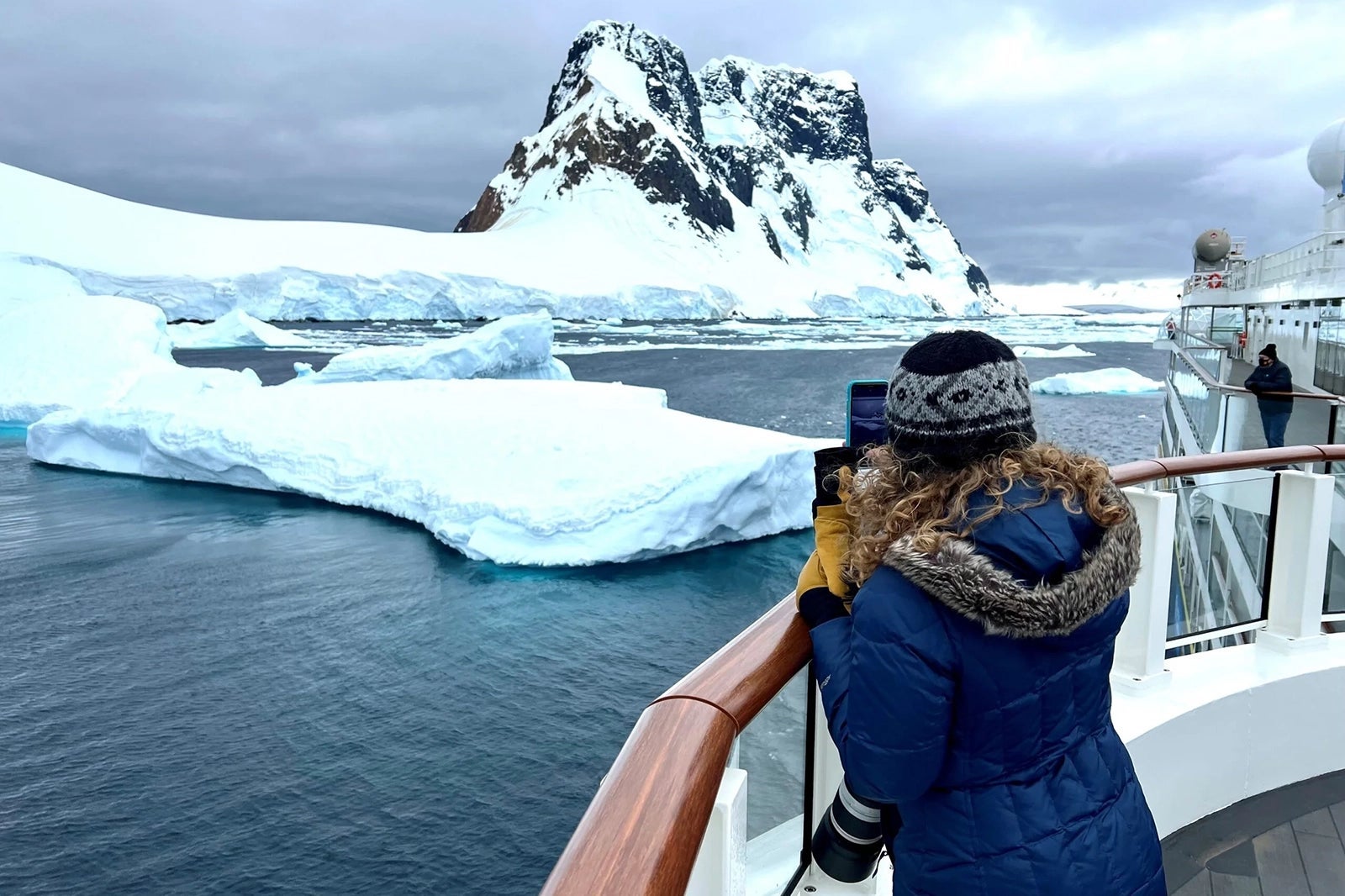
On an expedition cruise, the focus is often on remote wilderness areas and the wildlife that inhabits them. This could be Antarctica's rocky, ice-lined shoreline with its massive penguin colonies, or the uninhabited islands of the Galapagos, with their giant tortoises and Darwin's finches.
What is an expedition cruise ship like?
A typical expedition cruise vessel is custom-built for such remote and rugged areas. Expedition ships are usually small and agile, so they can tuck into remote bays and waterways that big ships can't.
They're also inordinately tough. Expedition ships are typically built with strengthened hulls to allow them to bump through ice in polar regions. They also usually have large fuel tanks and food storage areas to allow them to operate for long periods in remote areas without re-provisioning (in some cases, as long as 40 days).
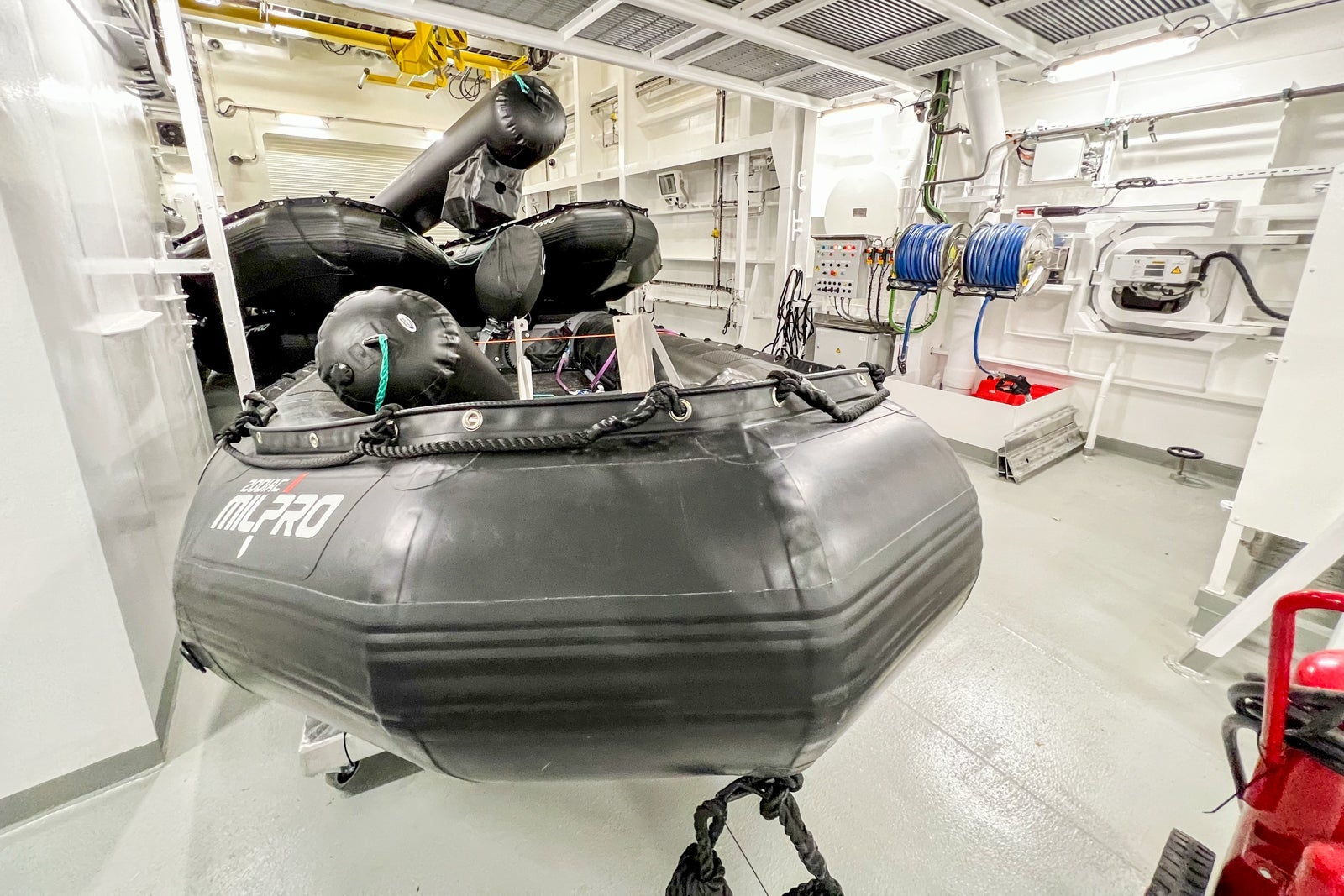
Additionally, expedition cruise ships travel with their own landing craft — typically small rubber Zodiac boats — to get passengers ashore in remote areas. Expedition ships also often carry other adventure gear for exploring in remote areas, including kayaks, paddleboards, snowshoes, snorkeling equipment, wetsuits and sometimes diving equipment.
A handful of expedition cruise ships even travel with submarines for underwater exploration and helicopters.
Expedition ships also commonly have "mudrooms" where you will find cubbies to store your outdoor clothing and gear. Many also have waterproof rubber boots for travelers to use — either for free or for an extra charge — for "wet landings" on beaches by Zodiac boats. Those will be stored in the mudroom, as well.
Instead of a cruise director and the other entertainment staff you find on traditional cruise ships, you'll typically be accompanied by an "expedition team." The team consists of expedition leaders who have deep knowledge of the destination, as well as scientific experts such as biologists, geologists, ornithologists and often a historian. These expedition leaders and experts will lead landings and lectures on board.
Many expedition ships also sail with a photography expert. One well-known expedition cruise company, Lindblad Expeditions, staffs many of its ships with National Geographic photographers who will teach cruisers how to use their own cameras to capture the scenery and wildlife they're experiencing.
In short, expedition cruises are designed for exploring and learning. Unlike most traditional cruises, an expedition cruise is not meant to be a resort experience — though an increasing number of expedition ships are being outfitted with more upscale amenities than in the past.
These luxury touches include a greater variety of dining venues (including high-end restaurants) as well as elegant bars and onboard spas. However, these amenities will play second fiddle to the off-the-ship adventures at the core of the experience.
How small are expedition cruise ships?
Historically, expedition ships have carried about 200 passengers — a manageable number for an exploration-focused vessel operating in a remote location. However, there's a growing number of expedition ships that can carry more. Viking designed its new expedition ships to carry 378 passengers. Some recently built HX Expeditions vessels are designed for around 500 people.
Even these bigger vessels are far smaller than traditional, resort-like cruise ships, which often can carry about 3,000 passengers (or sometimes up to 7,000 passengers).
Note that by international agreement, some remote places that expedition ships visit have limits on how many passengers can land from an expedition cruise vessel at any given time. This kind of agreement is designed to protect wildlife and historical structures from the impacts of large group visits.
In some places, such as Antarctica, the limit is broadly set at 100 people, but some sensitive landing spots have even tighter restrictions. As a result, expedition ships that carry more than 100 people can only land a portion of their passengers in a destination at once.
If you're on such a vessel, you'll have to wait your turn to go ashore, and you might miss out on the experience if changing weather forces the ship to reposition. This is one reason travelers who want the most in-depth expedition cruise experience might want to choose a small ship with relatively few passengers.
I personally prefer expedition ships that carry in the vicinity of 100 people for this reason. I also look for vessels that are built for toughness, as they can access more remote and hard-to-reach places than less-tough-built vessels.
How tough are expedition ships?
When sailing in polar regions, you'll want to look at a ship's polar-class rating to gauge its toughness. There are seven polar classes, from PC1 (which stands for polar class 1) to PC7 (polar class 7). PC1 is the highest polar-class rating, and it means the ship can go anywhere in polar regions year-round. At this level, the ship is a true icebreaker that can crunch through all sorts of floating ice (and, as you'll learn on an expedition cruise to a polar region, there are many types of floating ice).
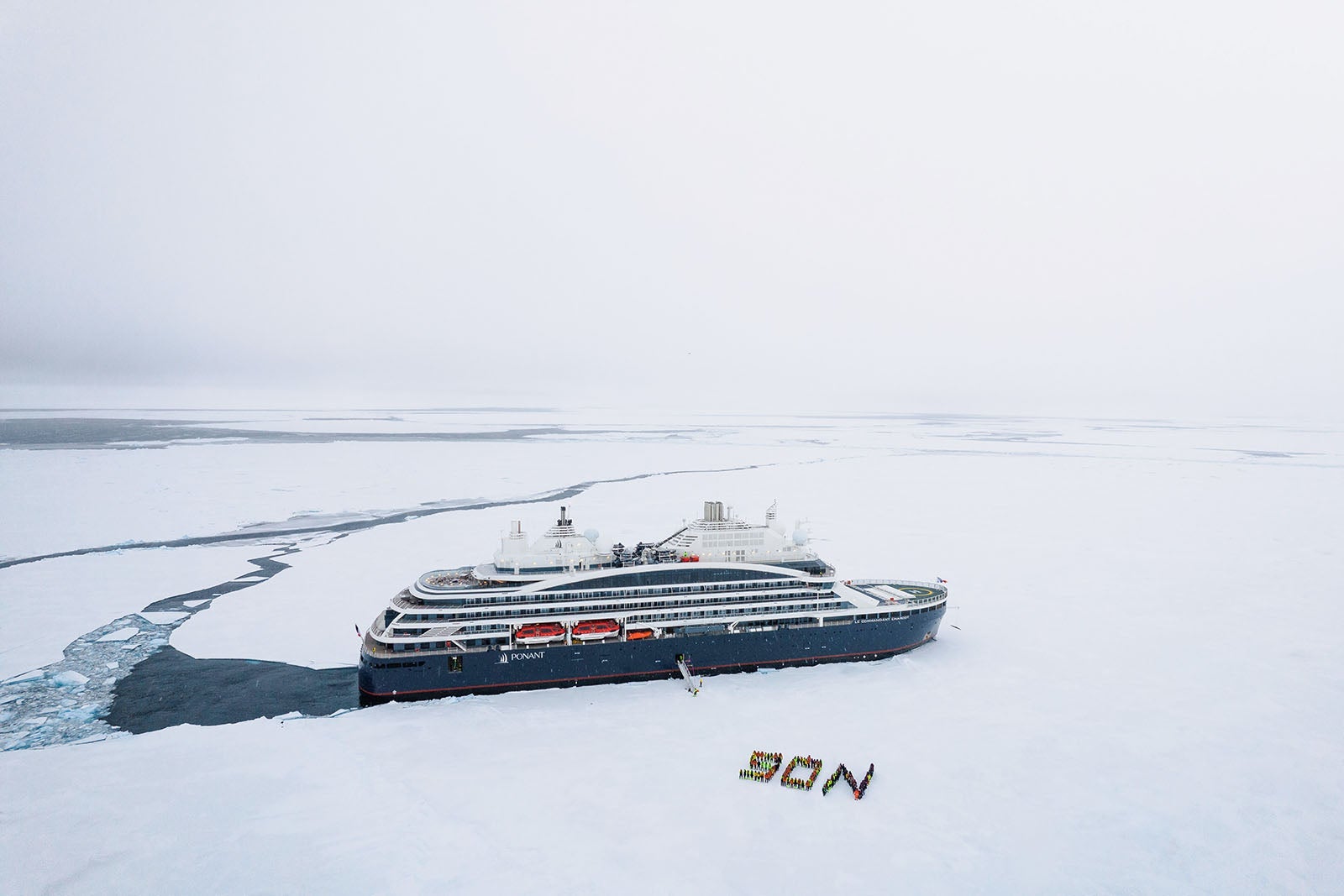
There currently are no passenger vessels with a PC1 rating, but a relatively new Ponant Explorations icebreaker called Le Commandant Charcot has a PC2 rating. With such a rating, the 245-passenger ship is cleared to crunch through ice all the way to the North Pole, which it sometimes does.
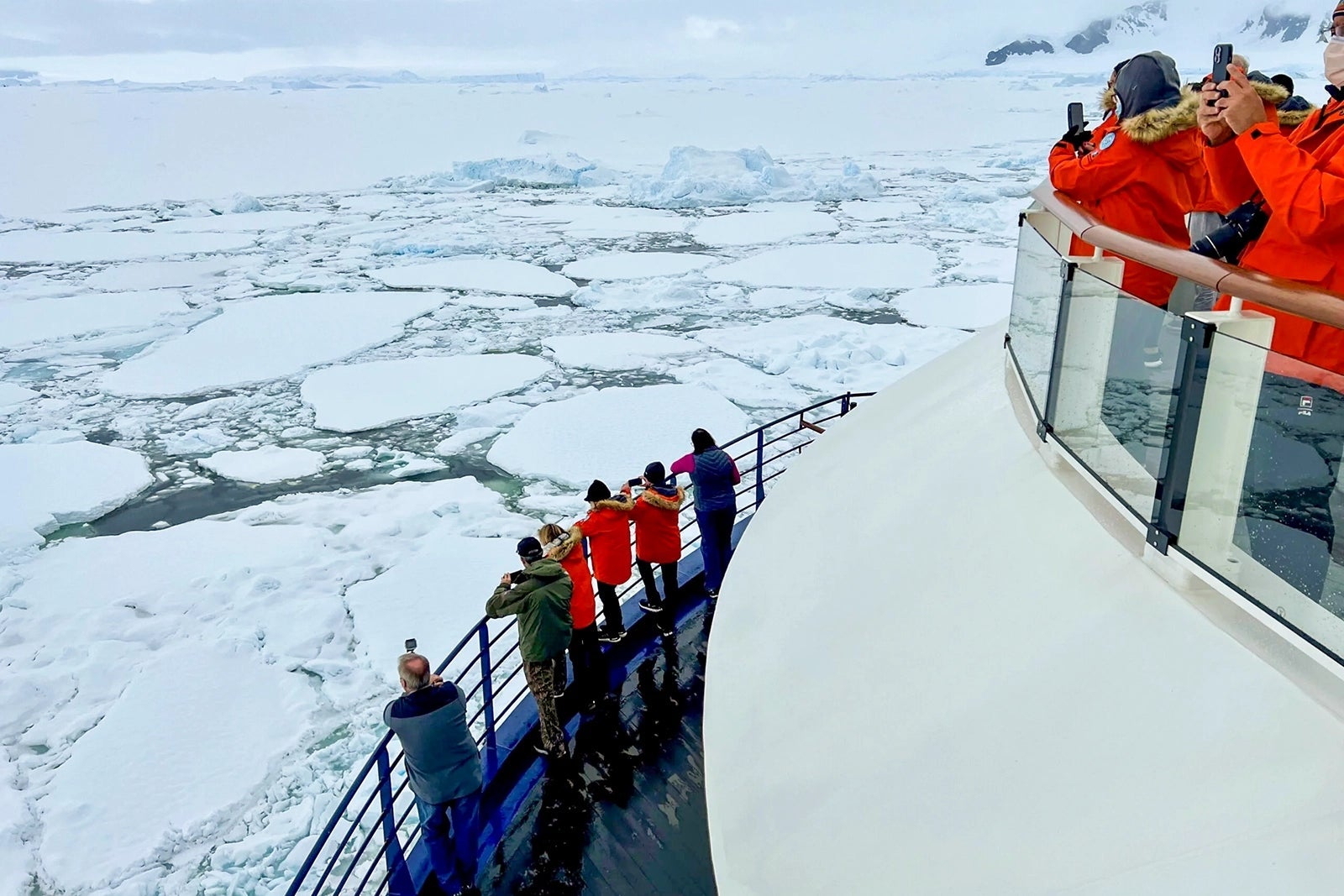
Most expedition cruise ships are rated PC5 or PC6, which means they can operate in medium first-year ice (ice that is only a year old and not outrageously thick) with some older ice inclusions. They're not designed to go to a place like the North Pole, though.
A ship rated PC7 is only designed to sail through thin first-year ice, and ships without polar-class ratings should steer clear of icy areas. This is one reason you don't see a lot of big, mass-market cruise ships heading down to Antarctica or up to the Arctic — at least not in particularly icy areas. These ships generally don't have polar-class ratings.
Where can I go on an expedition cruise?
You'll find expedition cruises to remote places all over the world. But two destinations account for a disproportionately large portion of all expedition cruises: Antarctica and the Arctic.
This is not by coincidence. Antarctica and large portions of the Arctic are tough to reach any other way than by expedition ship. They are the last two places in the world with large uninhabited areas and no infrastructure for tourism.
Many expedition cruise ships will spend nearly all their time in either Antarctica or the Arctic, oscillating between the two destinations based on the changing seasons. They will explore the Arctic from June to September, when the weather is warmest in the region, before repositioning to Antarctica for the months of November to March, when the weather is warmest there.
Related: The best cruise destinations for every type of traveler
That leaves just a few months when the ships move between the Arctic and Antarctica. Sometimes, they'll sail empty between the two regions. Other times, they'll offer a handful of one-off voyages while in transit.
Other destinations known for expedition cruising include the Galapagos, the Amazon River, the coasts of Costa Rica and Panama, Mexico's Sea of Cortez and Alaska.
Here are some of the key expedition cruise destinations:
Antarctica
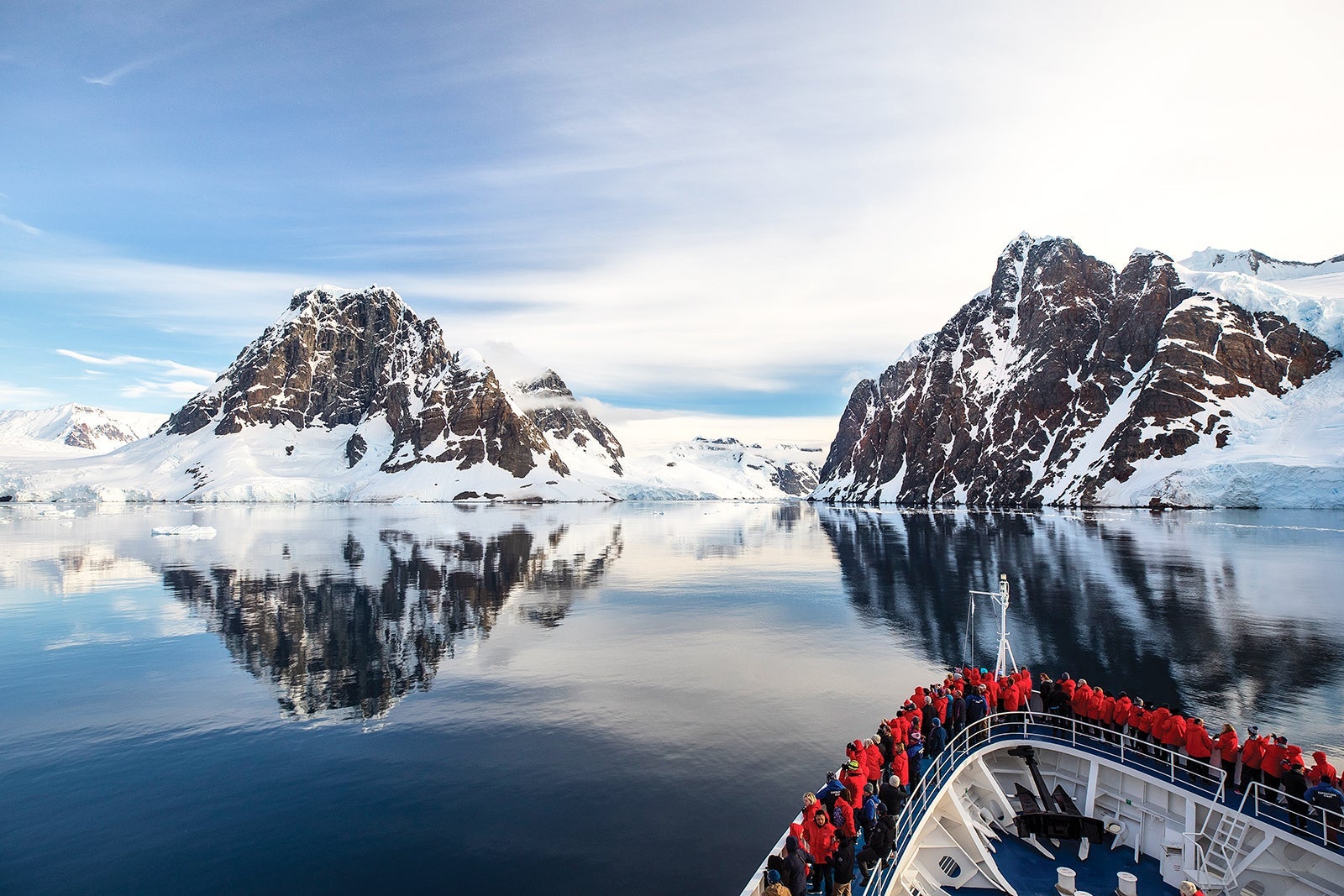
In many ways, Antarctica is the ultimate expedition cruise destination. It's a place that is almost impossible to reach other than by expedition cruise ship, and the opportunity to see it via ship is a true adventure that merits being called an expedition.
It's also one of the most spectacularly scenic places you will ever see, with wildlife you won't find anywhere else. Getting to experience Antarctica on an expedition cruise — something I've done several times and hope to do again — is truly the trip of a lifetime.
Antarctica trips typically start in Ushuaia, Argentina, or Puerto Williams, Chile — the southernmost settlements in South America. From there, your ship will make a two-day crossing of the Drake Passage (the notoriously rough waterway between South America and Antarctica) before spending five or six days exploring the icy coast of the continent. The trip ends with a return trip across the Drake.
Some longer Antarctica itineraries add in visits to South Georgia Island and the Falkland Islands on the way to or from Antarctica, or a few more days in Antarctica. In very rare cases, ships will spend even more time in Antarctica by sailing one way between Ushuaia, Argentina, and either New Zealand or Australia — an epic voyage that typically lasts at least 30 days.
Alternatively, a handful of tour companies operate so-called fly-cruise trips to Antarctica; they use hardy airplanes to fly tourists directly to the continent from Punta Arenas, Chile — no sailing across the Drake required. On such trips, travelers still explore the coast of Antarctica by cruise vessel. But, they don't board the vessel that will take them exploring until after they land on the continent.
As I've written about before, there are pros and cons to these fly-cruise Antarctica trips.
Related: Skip the Drake: What it's like flying to Antarctica on a chartered plane
A few cruise vessels also sail back-and-forth to Antarctica from Australia and New Zealand, though this is less common.
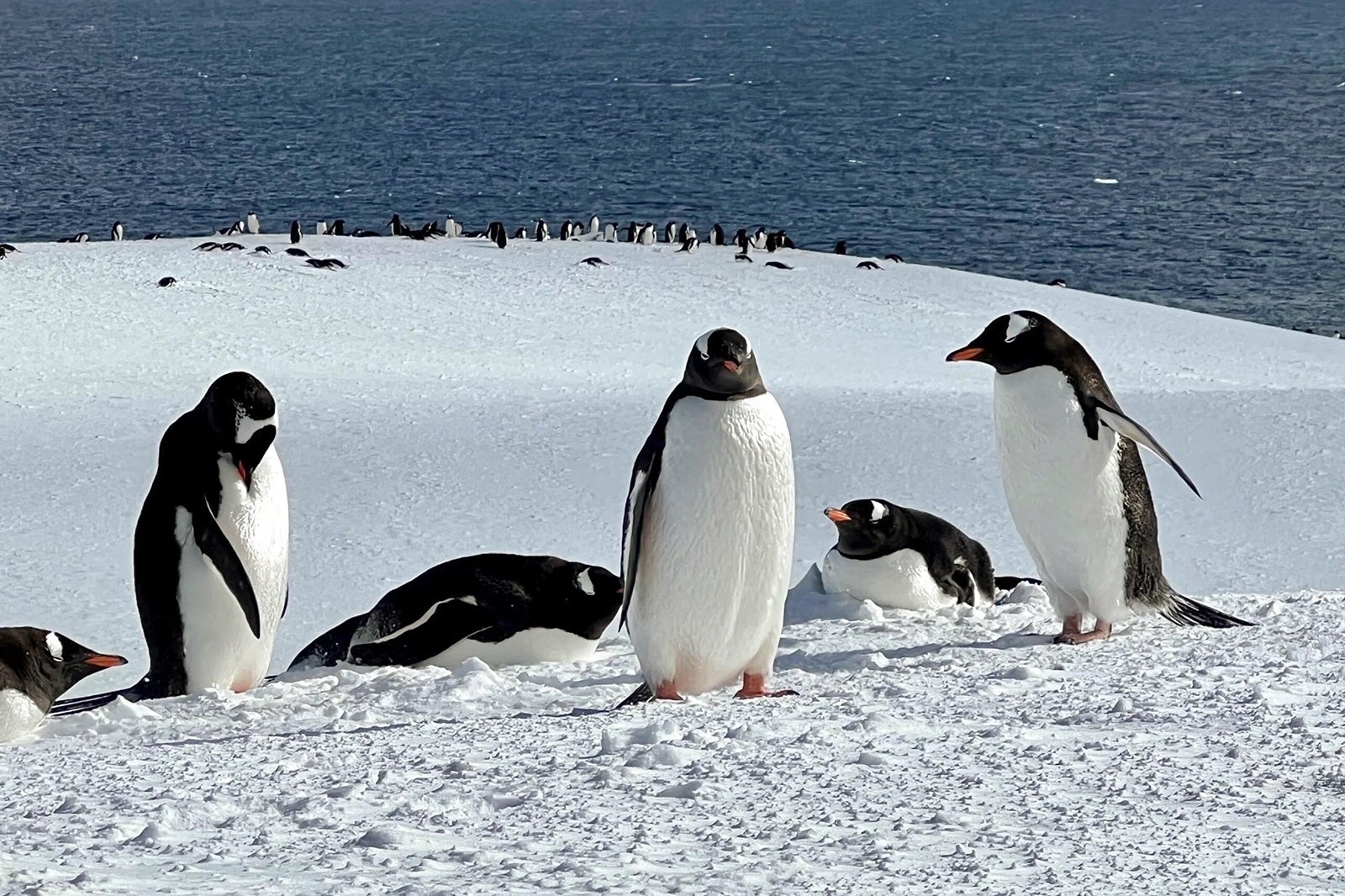
Once in Antarctica, you'll take Zodiac boats to visit penguin colonies, hike through the snow to the remnants of early explorer huts, sail through ice-filled fjords, and (if you're lucky) watch whales during Zodiac boat outings. All around you will be soaring mountains, glaciers and floating icebergs.
TPG has a broad array of guides to cruising to Antarctica, all written by in-house writers who have firsthand experience traveling to Antarctica:
- How to get to Antarctica: The pros and cons of flying vs. cruising
- 6 ways to travel to Antarctica in luxury and style
- The 11 best Antarctica cruise ships
- These are the best times to visit Antarctica
- Antarctica gear guide: What you need to pack
- This expedition ship lets you camp on the ice in Antarctica
- I just spent the night in an igloo in Antarctica — here's how you can, too
- Why kayaking in Antarctica should be on your bucket list
- Antarctica reading list: These 8 books are must-reads before a trip
The Arctic
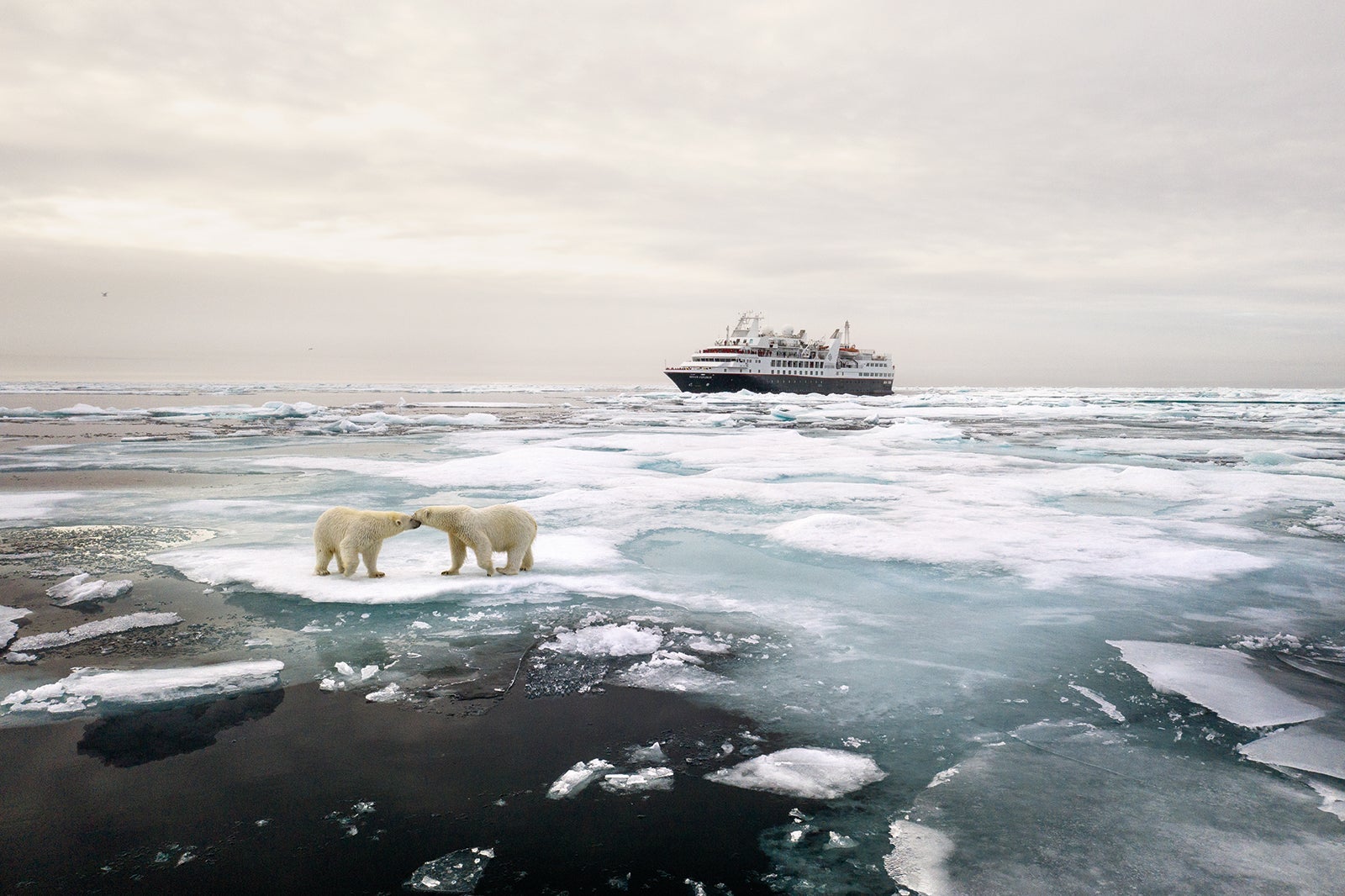
The Arctic is the second great destination for expedition cruising — and, for me, it's a toss-up as to which polar region I find more mesmerizing.
Like Antarctica, the Arctic is a land of icebergs, snow and often spectacular wildlife, as well as historical sites related to early explorers. But it also has a cultural element that you won't find in Antarctica: Some land areas in the Arctic are home to Indigenous peoples such as the Inuit, who have occupied the areas for hundreds of years, if not longer.
On some Canadian Arctic itineraries, for instance, expedition ships will stop at one or more of the Inuit settlements that dot the region. Sometimes an Inuit guide will be along for the voyage to talk about Inuit culture and life.
The Arctic also offers a far more diverse array of expedition cruise itineraries than Antarctica does. You'll find sailings that typically focus on just one but occasionally more of the following Arctic destinations: Svalbard, Norway; Greenland; Iceland; the Canadian Arctic, including the Northwest Passage; and the North Pole.
Until recently, a handful of expedition cruise companies also operated sailings to remote parts of the Russian Arctic, including the ice-covered islands of Franz Josef Land and polar bear hot spot Wrangel Island. A few expedition cruise vessels have even made a complete crossing of the Northeast Passage — the 4,000-mile, ice-clogged route across the Russian Arctic that connects Western Europe to the Americas.
Related: 8 things to know about cruising to the Arctic
The latter trips have included stops in remote places that hadn't been seen by humans until the 20th century, and such voyages have been relatively rare. In 2018, I went on the fourth ever expedition cruise across the Northeast Passage by a Western cruise vessel — a monthlong trip where we sometimes went many days without seeing signs of civilization. Additional vessels operated by Russian companies have also made the journey with travelers over the years.
All such trips in the Russian Arctic have been canceled since Russia's invasion of Ukraine, and it's unclear if and when they might resume.
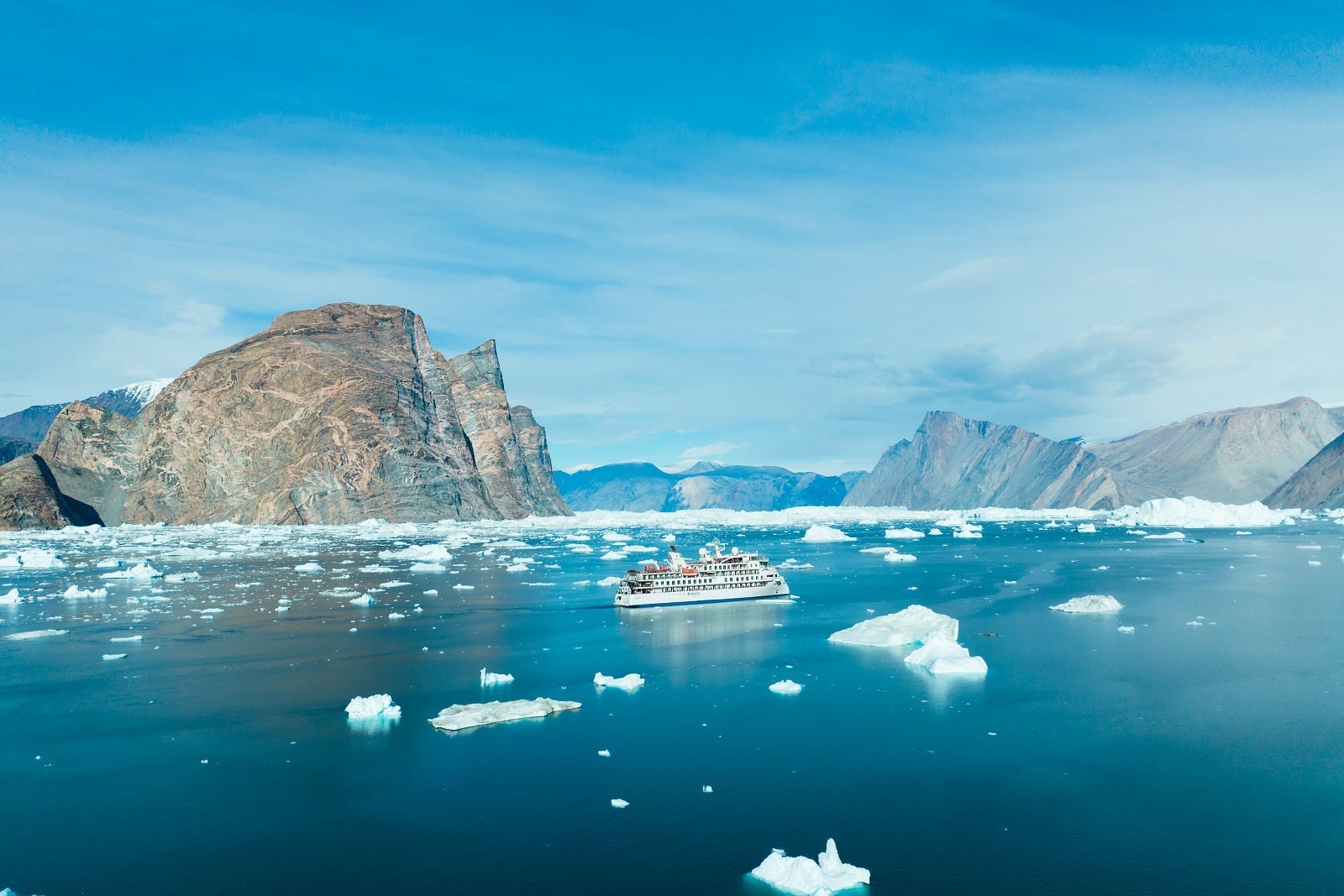
There are commonalities to the expedition cruises offered in all the Arctic regions (for instance, you'll see ice and probably a polar bear, no matter which one you choose). However, each region of the Arctic is a little different.
If I had to choose just one Arctic cruise (and this is a question I get a lot from would-be Arctic cruisers), I probably would pick a sailing around Svalbard. Located between the top of mainland Norway and the North Pole, it's a relatively compact archipelago where you can get a taste of many of the Arctic's allures in a relatively short time. You'll see ice-carved mountains and glaciers, as well as polar bears, reindeer, Arctic foxes and massive bird colonies.
Related: I didn't think I'd like an Arctic cruise — here's why I was wrong
That said, an expedition cruise down the west coast of Greenland would be a close contender. I'm not sure I've ever seen anything as stunning as western Greenland's Ilulissat Icefjord and the huge icebergs that spill out of it into Disko Bay. Put that place on your bucket list — you won't regret it.
The Galapagos
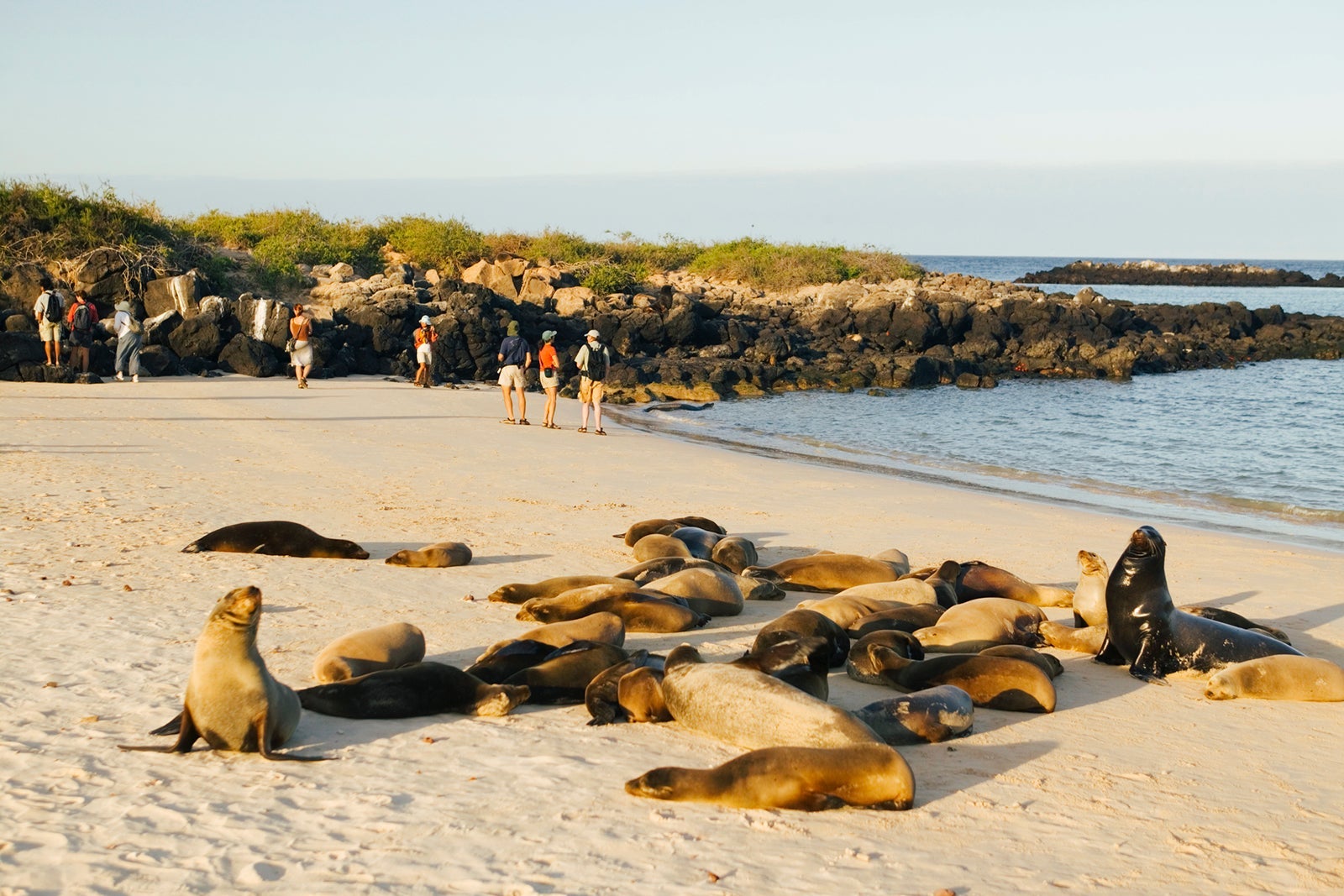
The wildlife-filled Galapagos Islands, most of which are uninhabited, make for another classic expedition cruise destination. This region has an expedition vessel ecosystem all its own, thanks to unusual local regulations.
By law, only vessels based year-round in the Galapagos can offer expedition sailings in the islands. As a result, expedition ships that sail in other parts of the world cannot operate in the Galapagos, and the ships that do operate there are unique to the destination.
Additionally, vessels that operate in the Galapagos can't hold more than 100 passengers. That means that most Galapagos-based expedition vessels are unusually small — many holding just 16 to 48 passengers.
Cruise companies that have expedition vessels based in the Galapagos include HX Expeditions, Lindblad Expeditions, Silversea Cruises and Celebrity Cruises. The latter is a big-ship line that, a bit incongruously, also owns a Galapagos cruise vessel that's a small fraction of the size of the rest of its ships.
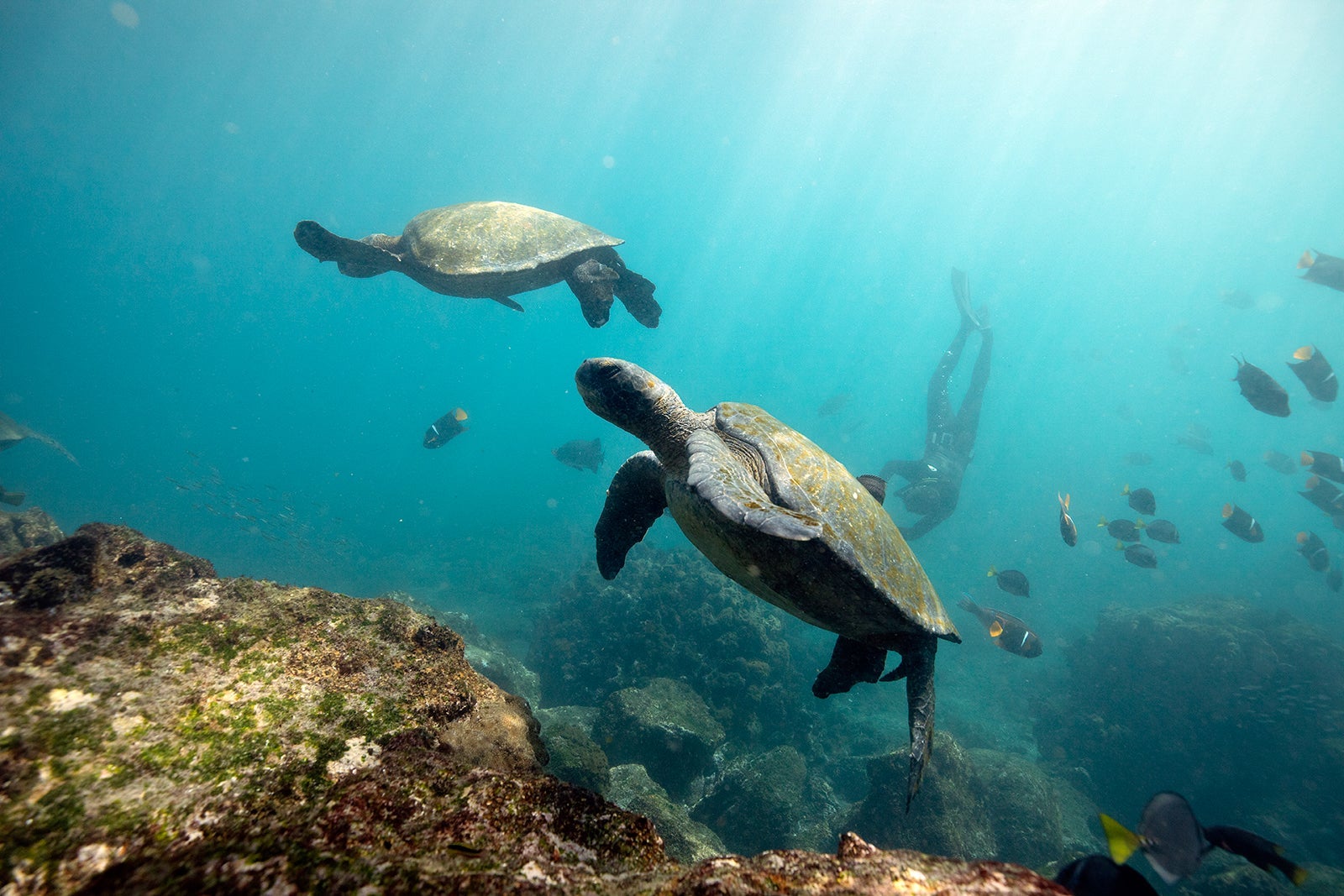
Other cruise companies and tour operators that offer expedition cruises in the Galapagos, typically using chartered vessels, include Avalon Waterways and Abercrombie & Kent. Note that it's not uncommon for more than one travel company or cruise brand to sell sailings on the same ship in the Galapagos.
The Galapagos comprises 19 larger islands, all but four of which are uninhabited; the typical weeklong Galapagos cruise includes stops at just five or six of them. That said, many lines offer back-to-back itineraries that include stops at different islands, allowing you to create a longer sailing that is more diverse in its stops.
Cruise lines will generally break the islands into north, south, east and west loops. Some lines offer inner, outer and central loops. Others feature a combination. The best way to choose among them is to decide which islands you'd most like to visit.
Related: TPG's ultimate guide to cruising the Galapagos
The Amazon
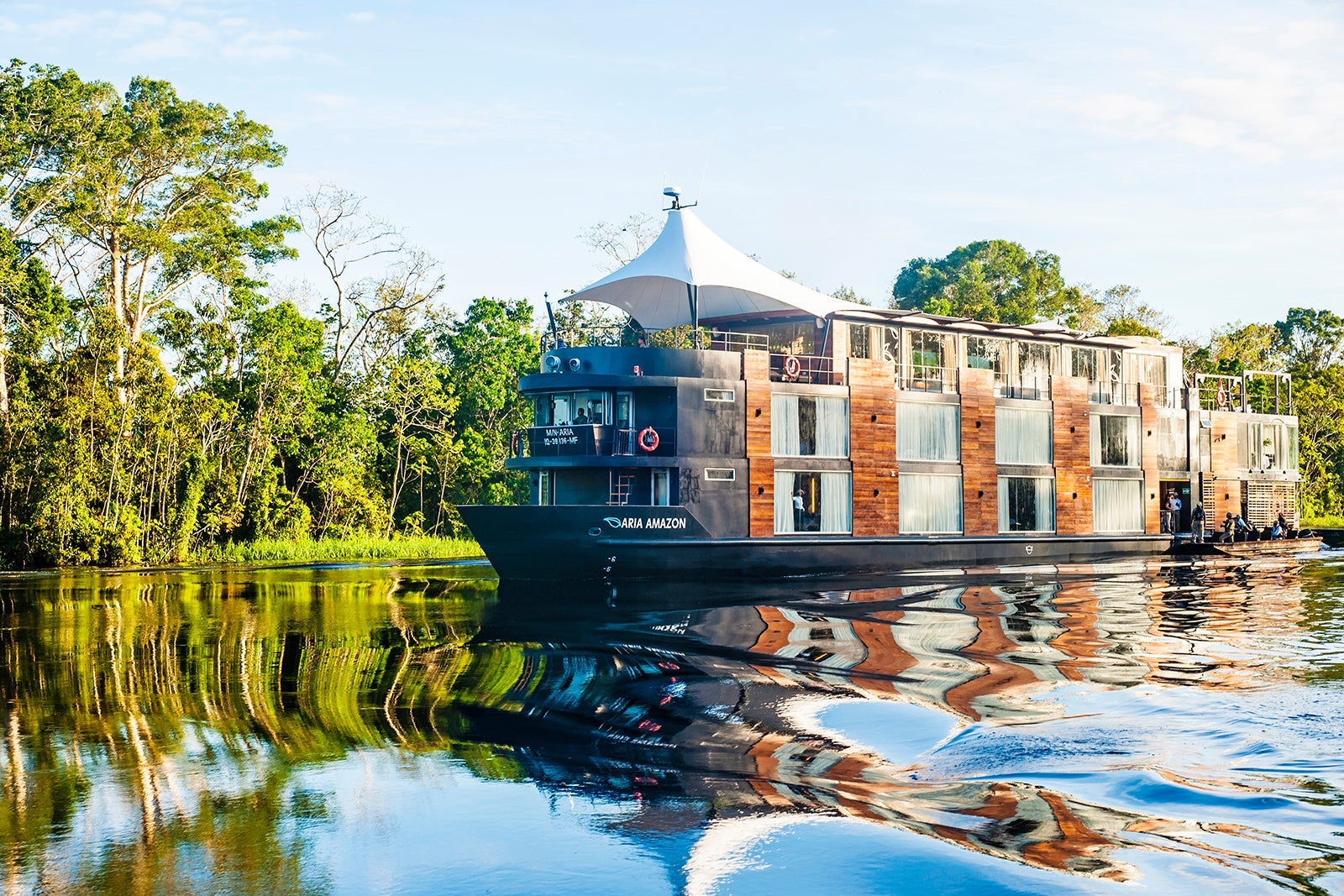
Several expedition cruise companies and adventure tour companies offer expedition-style sailings up the Amazon River, particularly in in Peru. These trips are generally operated by tiny vessels that remain on the river year-round.
Among the companies known for Amazon sailings is Aqua Expeditions, which operates two small vessels on the Amazon out of Iquitos, Peru: the 32-passenger Aria Amazon and the 40-passenger Aqua Nera.
The vessels travel along the Maranon River, the Amazon's largest tributary, as well as other neighboring rivers (the Yarapa and Yanayacu-Pucate) in search of local wildlife such as three-toed sloths, toucans, macaws, taricaya turtles and the Amazon's elusive pink dolphins.
Most Amazon voyages also include stops at small villages along the riverways, though the focus is on wildlife watching from the river.
Other companies offering similar trips include Exodus Travels, Lindblad Expeditions, Pandaw and Delfin Amazon Cruises.
Alaska
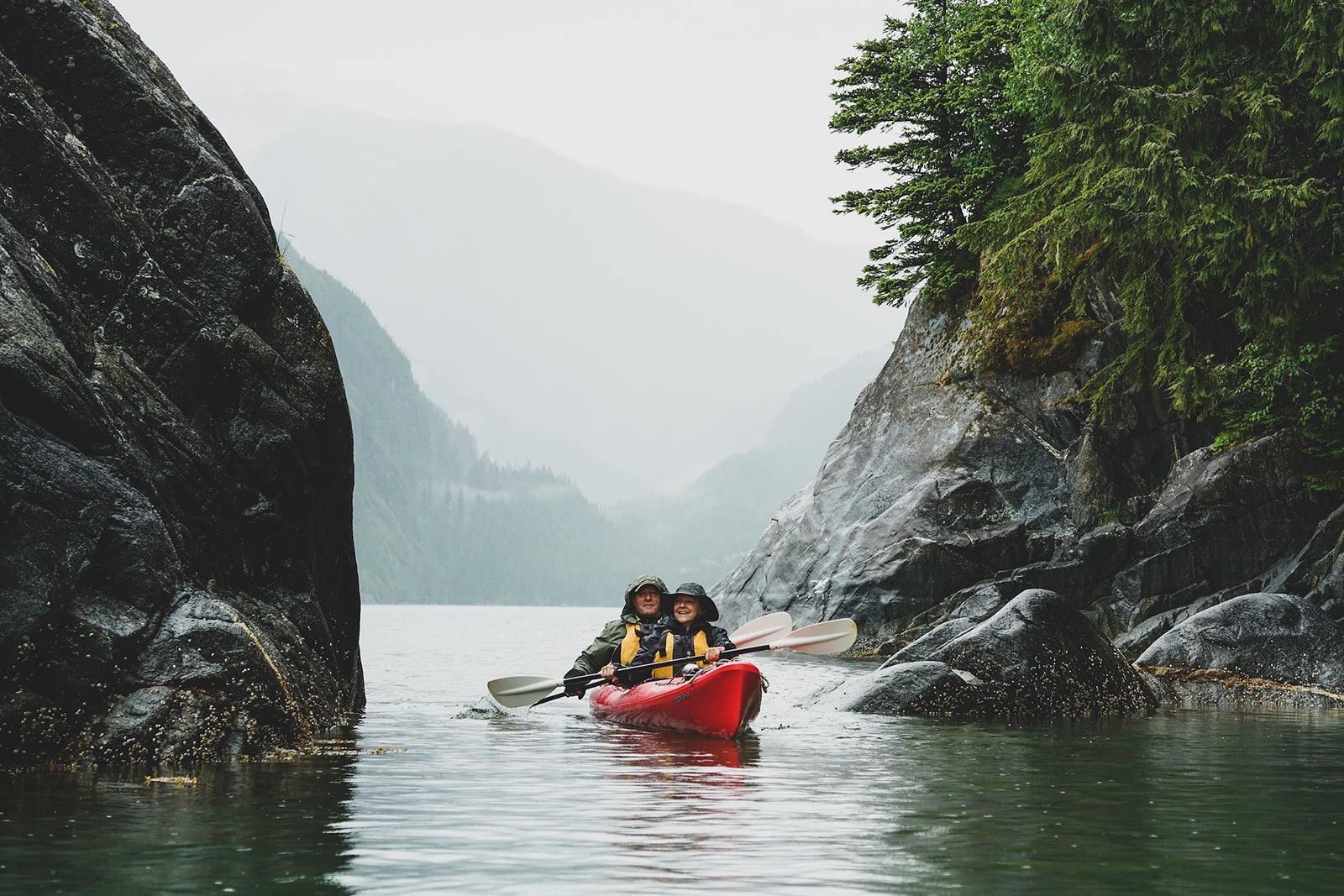
When imagining an Alaska cruise, most people think of the many sailings offered by big-ship lines such as Princess Cruises and Holland America. These traditional cruise voyages focus on Southeast Alaska's main tourist towns of Juneau, Skagway and Ketchikan. But Alaska is also the stomping ground of a handful of expedition cruise operators — most notably UnCruise Adventures and Lindblad Expeditions — that offer expedition cruises into the wilderness areas of Southeast Alaska. On these trips, the focus is not on the region's towns but on its scenic wild lands and wildlife.
Both UnCruise and Lindblad operate small expedition ships in Alaska that mostly carry fewer than 100 passengers (even the biggest UnCruise vessel in Alaska carries just 82 people). They have Zodiac boats for landings as well as kayaks, paddleboards and other adventure equipment.
The ships essentially serve as a floating adventure platform to bring you into the most remote areas.
A typical seven-night Alaska expedition cruise might include whale watching in Frederick Sound; a visit to Dawes Glacier and ice-filled Endicott Arm; landings in Tongass National Forest for hiking as well as kayaking, paddleboarding and Zodiac boat touring; and boat-based searching for bears, Sitka deer, sea lions, eagles, mink, porpoises and mountain goats.
The trips often begin and end in one of Southeast Alaska's small towns, such as Juneau or Sitka.
Related: The pros and cons of small-ship cruising in Alaska
One other small-ship cruise company, Alaskan-owned Alaskan Dream Cruises, offers small-ship, expedition-style voyages that combine wilderness experiences with at least one and sometimes several stops at small Southeast Alaska settlements such as Pelican, Kasaan, Wrangell, Petersburg and Kake.
Which cruise companies offer expedition cruises?
Most of the big cruise brands that offer traditional cruises (think Royal Caribbean or Norwegian Cruise Line) don't own expedition ships or offer expedition cruises. Instead, for the most part, specialized expedition cruise companies that do nothing but expedition cruises have emerged over the past few decades.
That's not always the case. For instance, in 2008, traditional luxury cruise operator Silversea Cruises began building up a separate expedition cruise division that has become a major player in expedition cruises. In just the last few years, traditional cruise brands Viking and Seabourn have also entered into expedition cruising with new, specialized expedition ships.
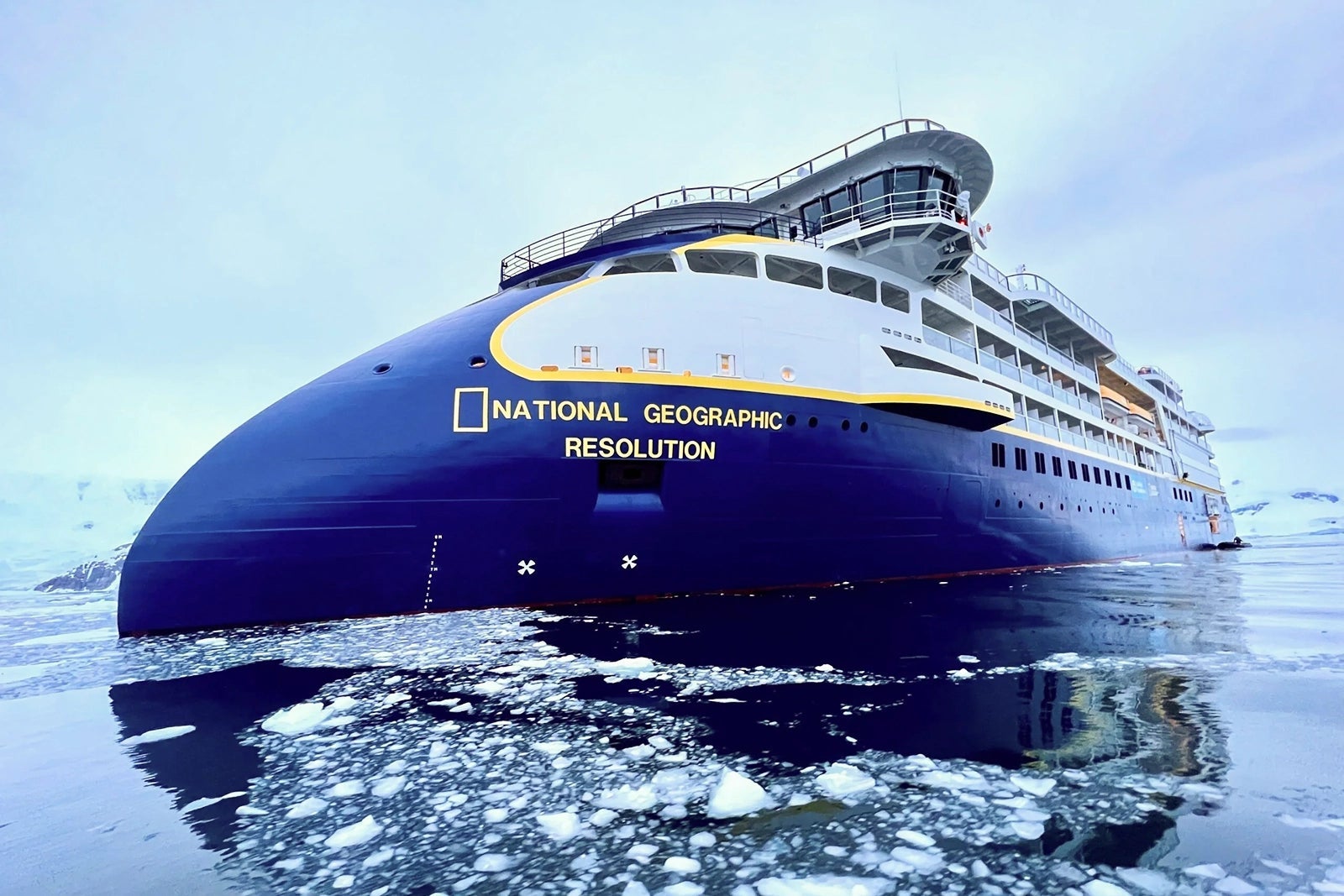
Additionally, luxury river cruise specialist Scenic Luxury Cruises & Tours recently unveiled its first two expedition ships.
Amove by traditional cruise operators to add expedition cruises to their offerings has been one of the big trends in cruising in the last few years.
Still, many of the best-known brands in expedition cruises aren't companies you would know if all you know is traditional cruising. The biggest and most notable players in the expedition cruising space as of 2026 include:
- Adventure Canada
- Antarctica21 (only in Antarctica)
- Aqua Expeditions
- Atlas Ocean Voyages
- Aurora Expeditions
- Celebrity Cruises (only in the Galapagos)
- Lindblad Expeditions
- HX Expeditions
- Hapag-Lloyd Cruises
- Heritage Expeditions
- Ponant Explorations
- Quark Expeditions
- Scenic Luxury Cruises
- Seabourn
- Silversea Cruises
- Swan Hellenic
- Oceanwide Expeditions
- Poseidon Expeditions
- UnCruise Adventures
- Viking
Additionally, many well-known tour companies — such as Abercrombie & Kent and Overseas Adventure Travel — market expedition trips on vessels chartered in whole or in part from other companies. Abercrombie & Kent, for instance, operates trips to polar regions on vessels chartered from Ponant Explorations.
Among the companies with the longest track records in offering expedition cruises to remote places are Lindblad Expeditions and HX Expeditions.
Lindblad Expeditions was founded in 1979 by Sven-Olof Lindblad, whose father, Lars-Eric Lindblad, led the first expedition trips to Antarctica (in 1966) and the Galapagos (in 1967). Lindblad Expeditions later pioneered expedition cruise voyages to places like Baja California and parts of the Arctic.
Lindblad Expeditions currently offers more than 100 expedition cruise itineraries across all seven continents.
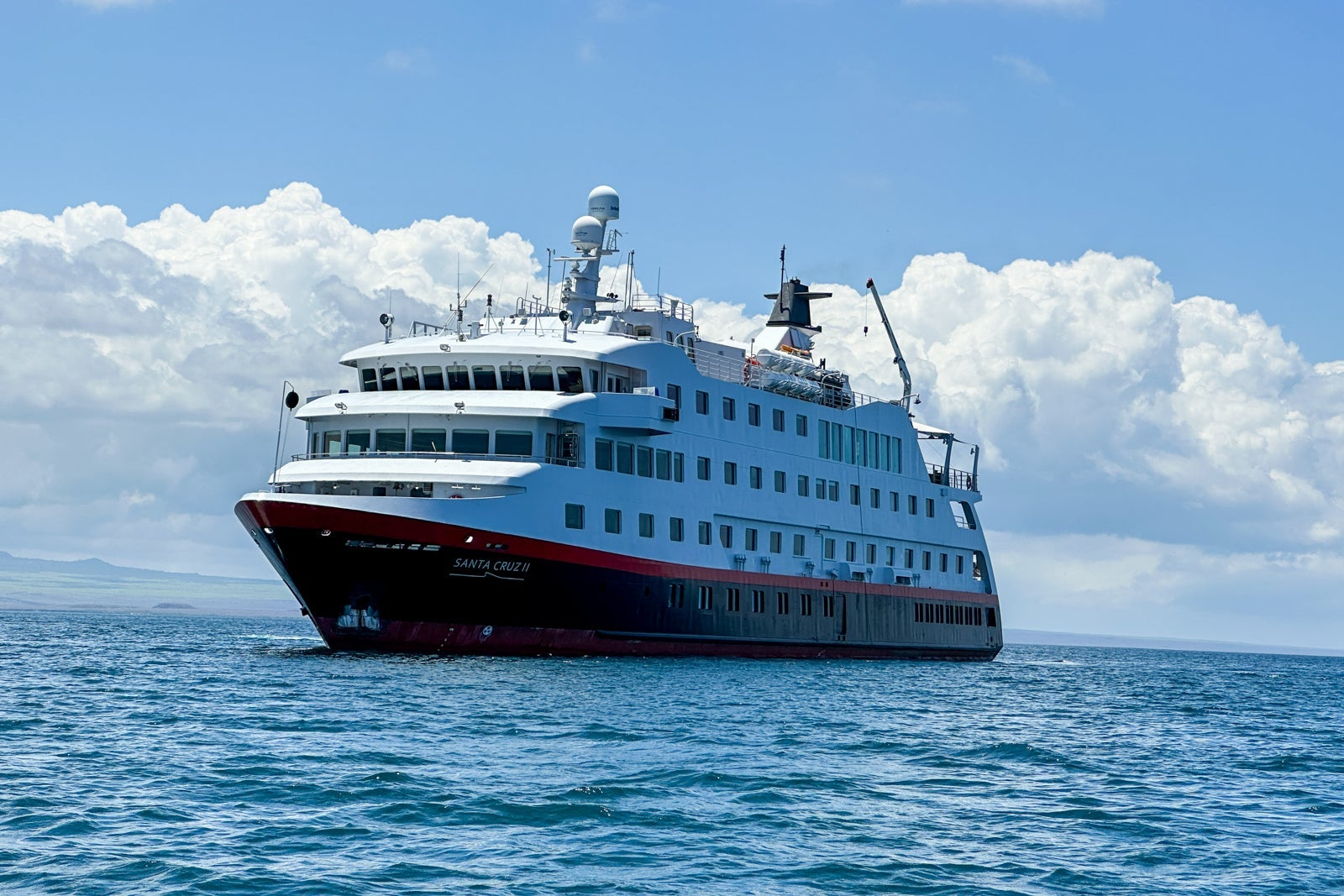
In recent years, Lindblad Expeditions has partnered with National Geographic and has renamed its ships to include National Geographic in their monikers. For example, one of Lindblad's premier vessels sailing in polar regions is called National Geographic Resolution. If you hear someone say they did an expedition cruise with National Geographic, they probably mean Lindblad Expeditions.
Related: Why Lindblad's new ship may be the ultimate polar exploration vessel
HX Expeditions, a U.K.-based company that caters to an international clientele, traces its roots to a cruise service from mainland Norway to Svalbard that started in 1896. The company likes to say this early entry into cruising to a remote place makes it the founder of expedition cruising. It also bills itself as the world's largest expedition cruise line.
Hapag-Lloyd Cruises, a German company that caters heavily to Germans but draws some English-speaking travelers, was also a pioneer in expedition cruising, operating some of the first voyages in parts of the Arctic. The first four voyages by a Western cruise vessel through the Northeast Passage, including the one that I did in 2018, were on Hapag-Lloyd Cruises expedition ships. Hapag-Lloyd Cruises also operated some of the first sailings across the Northwest Passage — the fabled routing across the Canadian Arctic.
Another longtime leader in expedition cruises is Ponant Explorations, a France-based company that caters to both French speakers and English speakers, including Americans. Ponant is particularly known for its array of truly once-in-a-lifetime ship-based adventure offerings that no other company offers; this includes epic, first-of-their-kind voyages to the North Pole and the first winter expedition cruises to Canada. Recently added, these itineraries take place on Le Commandant Charcot, the world's first and only luxury icebreaker. Unveiled in 2021, it's by far the toughest passenger vessel ever built, capable of reaching places that no other expedition ship can reach.
Among the other expedition cruise brands listed above, some are more specialized in where they operate.
UnCruise Adventures, for instance, primarily focuses on adventurous, outdoorsy, ship-based trips in remote parts of Alaska, though it also offers expedition cruises in the Sea of Cortez and other parts of Central America. It also offers Hawaiian cruises that combine outdoorsy pursuits with a culturally focused visit to the island of Molokai and a day in the town of Lahaina on the island of Maui.
Expedition cruise operator Antarctica21 only operates voyages in and around — you guessed it — Antarctica.
How long are expedition cruises?
As with traditional cruises, there is a wide range of lengths for expedition cruises. For trips to remote places such as Antarctica and parts of the Arctic, even the shortest trips available can last 10 days. But many itineraries extend to two weeks or more.
If you're planning a trip to Antarctica, note that just getting to the starting points for such trips in Ushuaia, Argentina, or Puerto Williams, Chile, from the U.S. (assuming that's your home) can take two full days. It can take even longer if, like many Antarctica-bound travelers, you add in a stop in Buenos Aires or Santiago, Chile, on the way. (Pro tip: You may want to do just that to break up the grueling transit.)
As a result, even the shortest vacations to Antarctica from the U.S. are usually two-week affairs. If you pick a sailing that includes a stop at South Georgia Island and the Falkland Islands, you're looking at a minimum of three weeks away from home.
Related: The ultimate guide to picking the right cruise line for you
Expedition cruises in the Arctic can stretch into multiple weeks. If you're short on time, as noted above, your best bet is a sailing around Svalbard; you can do this in a week plus travel time to reach the archipelago.
You can find some expedition cruises in the Galapagos that are shorter than a week. But as with Antarctica, it's a destination that takes a long time to reach. The typical U.S. traveler heading to the Galapagos will fly first to Quito, Ecuador, and spend at least a night there (though maybe several), before continuing to the Galapagos. After all that travel, you might want to make the most of it and stay in the islands longer.
Expedition cruises in the Peruvian Amazon are typically short — sometimes just three days long. But they're often paired with other tours to create longer South America trips.
How much do expedition cruises cost?
Expedition cruises can be expensive, with costs on par with traditional luxury cruises. It's not unusual to see expedition cruises to Antarctica and the Arctic priced at $1,000 per person per day or more. Add in flights to reach the starting points for such trips, pre- and post-cruise hotel stays and other extra costs, and you could pay $15,000 or more per person for such trips.
If that seems high, remember that expedition ships are specialized vessels that are expensive to build on a per-berth basis (particularly those with polar-class ratings). They also require a relatively high staff to passenger ratio compared to that of mass-market cruise ships.
In short, expedition cruise companies face a high cost to operate their vessels — and those costs are reflected in the fares.
Related: These expedition cruises are $30,000 and have no set itinerary
Can anyone do an expedition cruise?
Travelers with mobility issues may find it difficult to get the most out of expedition cruises, as the trips are relatively active.
By definition, expedition cruises involve visiting remote places with little or no infrastructure for tourists. The lack of infrastructure extends to a lack of docks and tender boat services that would allow a passenger with mobility issues to get on and off the vessel. Plus, once you land at an expedition cruise destination, you will often be moving over uneven terrain.
In many cases, touring from an expedition ship starts with stepping off the side of the vessel onto a small, open-to-the-air rubber Zodiac boat bobbing in the waves. From there, a guide navigates that small vessel a considerable distance to the shore, sometimes in choppy seas. Once at the shore, passengers often must climb over the side of the boat into ankle-deep or deeper water and wade ashore in what is known as a "wet landing."
Touring from there can involve hiking over rocky areas, snowfields and ice in search of wildlife.
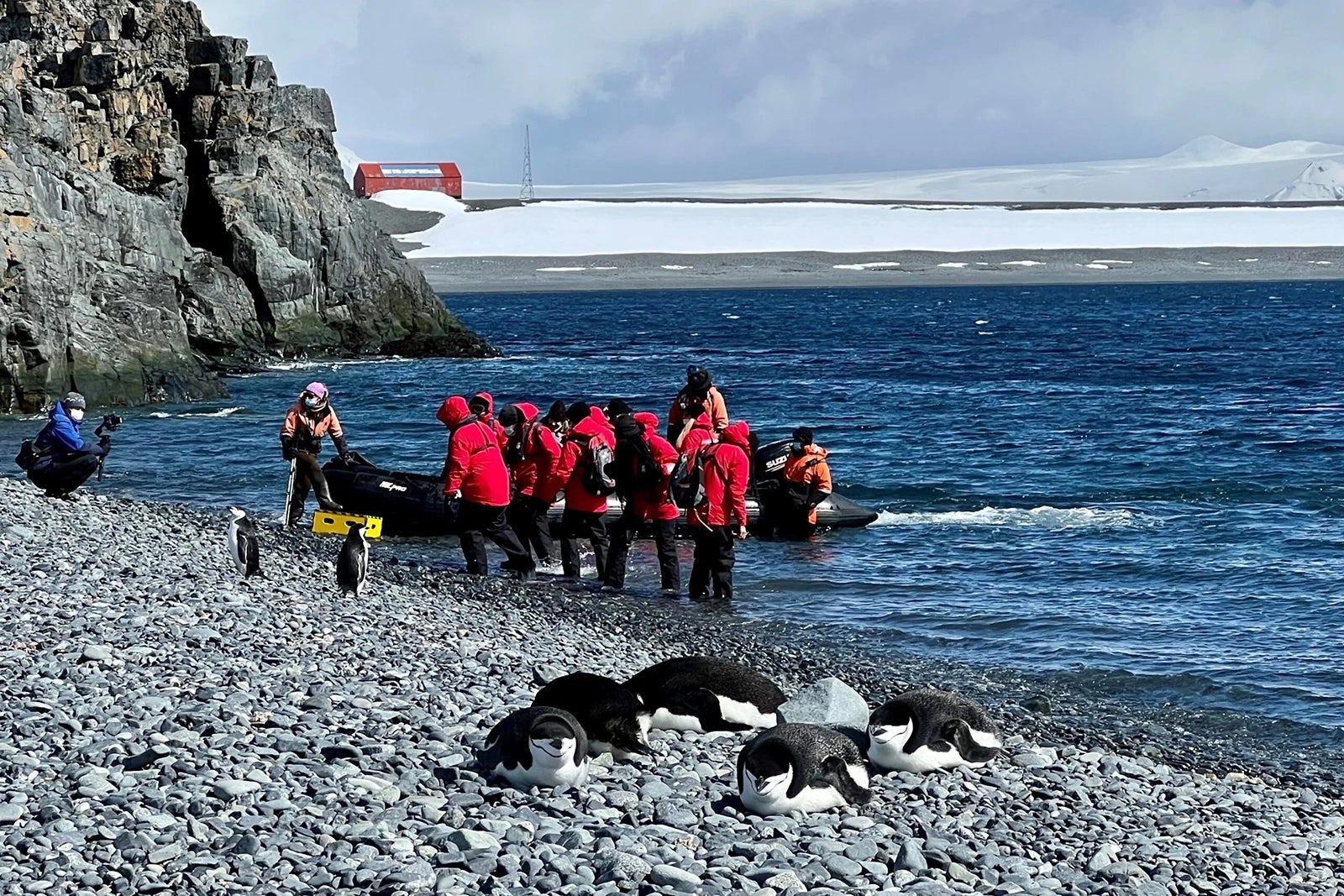
If all of the above sounds like something you wouldn't enjoy doing, you might want to skip an expedition cruise and focus on more traditional cruises instead.
That said, I've seen many travelers with mobility issues on expedition cruises enjoying the experience, even if the landings came with some difficulty.
One cruise company that has designed its expedition vessels specifically to be more widely accessible for passengers with mobility issues is Viking, a line that traditionally has catered to travelers ages 55 to 75 years old.
Viking's two expedition ships, which debuted in 2022, were built with an unusual enclosed marina that allows passengers to easily transfer into 12-seat "special operations boats" while still in the protected interior of the ship. It's a first for an expedition cruise ship, and it makes it easier for passengers with mobility issues to embark and disembark as well as see wildlife and scenery up close.
Bottom line
Expedition cruising is nothing like traditional cruising. It's all about getting to off-the-beaten-path destinations, including places with no infrastructure for tourism, such as Antarctica and parts of the Arctic, Galapagos and Amazon River basin. If you're hoping to see scenic wonders and wildlife, and you're up for an adventure, then an expedition cruise may be right for you. You'll find a wide range of both destinations to visit by expedition cruise ship and companies that offer them.
Planning a cruise? Start with these stories:
- The 5 most desirable cabin locations on any cruise ship
- The 8 worst cabin locations on any cruise ship
- A quick guide to the most popular cruise lines
- 21 tips and tricks that will make your cruise go smoothly
- 15 ways cruisers waste money
- 17 best cruises for people who never want to grow up
- What to pack for your 1st cruise
Editorial disclaimer: Opinions expressed here are the author’s alone, not those of any bank, credit card issuer, airline or hotel chain, and have not been reviewed, approved or otherwise endorsed by any of these entities.
from The Points Guy Articles https://ift.tt/QkpWb9N


0 Comments